

Sun Protection After Skin Treatments: A Practical SPF Guide
A chemical peel, a laser session or a round of microneedling can leave skin looking fresher within days, but the weeks that follow decide how long that improvement lasts. Treated skin is more reactive to ultraviolet light, and sun exposure during recovery is one of the most common reasons results fade or new dark patches appear. The good news is that protecting your skin does not require complicated products, only a few consistent habits. If you are new to Skin Essentials, you can learn more about the practice on our home page.
This guide explains why the skin needs extra care after professional treatments, how to choose and apply sunscreen properly, and how shade, clothing and timing work together with SPF. Always follow the specific aftercare instructions your provider gives you, because they are based on your skin and the exact treatment you received.
Why treated skin needs extra protection
Most resurfacing treatments work by creating a controlled injury: peels loosen the outer layers, lasers heat targeted tissue, and microneedling makes tiny channels that trigger repair. While the skin rebuilds, its barrier is thinner and more easily irritated. UV exposure during this window can cause redness that lingers, sunburn on surprisingly short exposure and, especially in medium and deeper skin tones, post-inflammatory hyperpigmentation, the brown or grey marks that can take months to fade.
Sun exposure also works against the main goal of many treatments. UVA rays break down collagen and contribute to uneven tone, so unprotected skin may lose part of the smoothing and brightening you were aiming for. That is why aftercare sheets almost always include sunscreen, and why daily protection matters even on cloudy days: a large share of UV still passes through cloud cover, and UVA also passes through ordinary window glass.
Choosing the right sunscreen
The label tells you most of what you need. Look for broad-spectrum SPF 30 or higher: SPF measures protection against UVB, which causes burning, while the broad-spectrum claim means the product has also been tested against UVA. For days spent mostly outdoors, a higher SPF and a water-resistant formula give you more margin, but no sunscreen blocks all UV, so it should be combined with shade and clothing.
After a treatment, texture and tolerance count as much as the number on the bottle. Mineral sunscreens based on zinc oxide or titanium dioxide are often better tolerated by freshly treated or sensitive skin, and tinted versions containing iron oxides add some protection against visible light, which can be helpful if you are prone to pigment. Fragrance-free, simple formulas are usually the safest choice while skin is still pink or flaking.
- Choose a product labelled broad spectrum, SPF 30 or more.
- Prefer fragrance-free, gentle formulas while the skin is healing.
- Consider a mineral or tinted sunscreen if you are sensitive or prone to dark spots.
- Pick a texture you enjoy wearing, because the best sunscreen is the one you use every day.
How much to apply and when to reapply
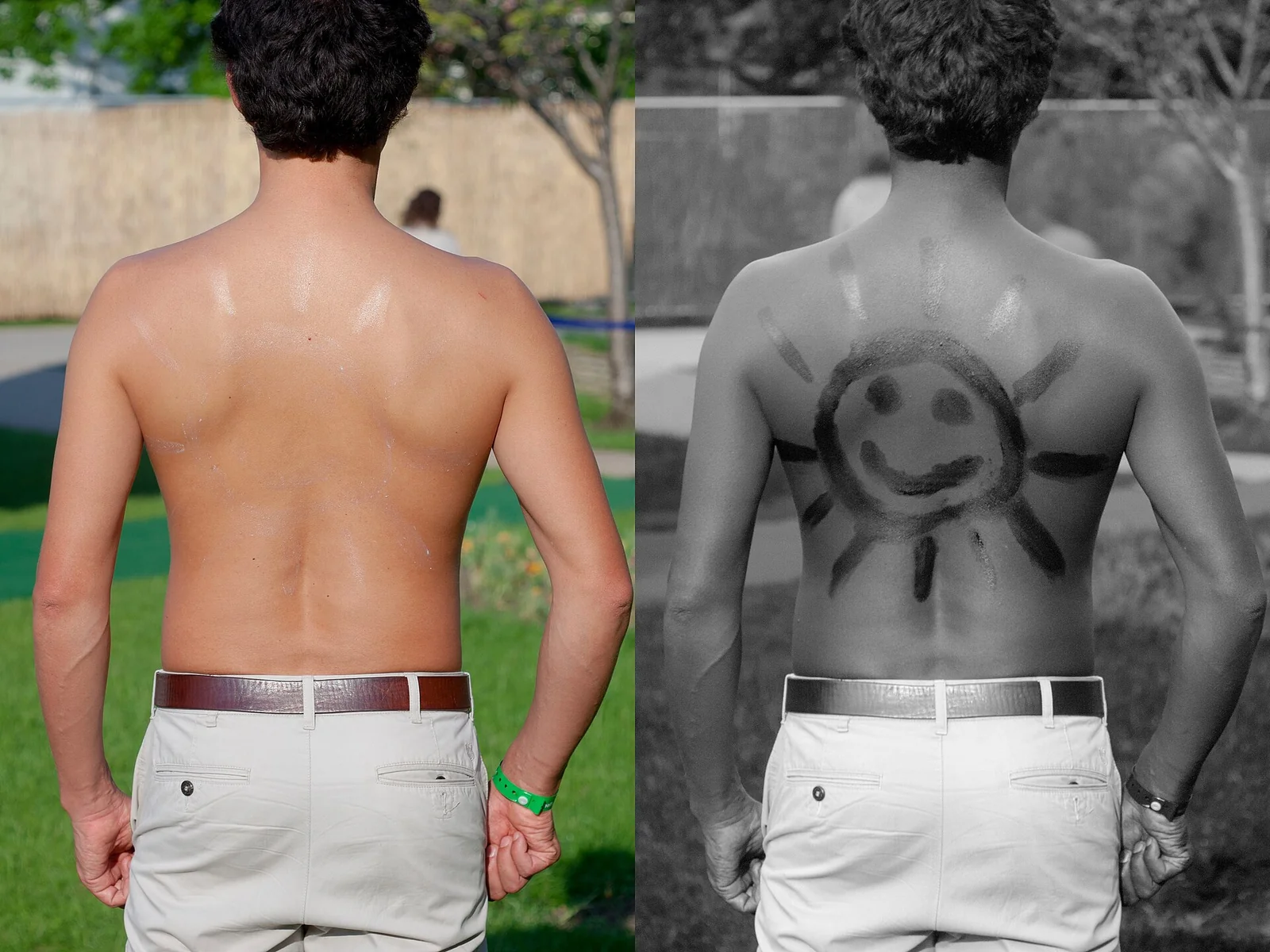
Most people apply far less sunscreen than the amount used in SPF testing, which means they get only a fraction of the protection printed on the label. A practical rule is roughly a quarter teaspoon for the face alone and a little more if you include the neck and ears. Applying in two thinner layers is an easy way to reach that amount without a heavy feel. Do not forget the hairline, the sides of the nose, the skin around the eyes and the back of the neck.
Reapplication is where routines usually break down. Sunscreen wears off with time, sweat, touching your face and wiping with a towel, so the usual advice is to reapply about every two hours outdoors, and right after swimming or heavy sweating. Water-resistant products are tested for either 40 or 80 minutes in water, not for a whole day at the beach. For reapplying over makeup, a mineral powder or a spray applied generously can help, but they are best seen as top-ups rather than your main layer.
The table below gives a general picture of how sun care often changes with the treatment. Your provider may recommend a different timeline, and their instructions always come first.
| Treatment | Typical sun advice during recovery | Habits worth keeping afterwards |
|---|---|---|
| Light chemical peel | Avoid direct sun while skin is flaking; gentle mineral SPF every morning | Daily broad-spectrum SPF, hat on sunny days |
| Microneedling | Stay out of strong sun for the first days; sunscreen once your provider says the skin can take it | Daily SPF to protect the new, more even texture |
| Laser or light-based treatment | Strict sun avoidance as instructed, often for several weeks before and after | High SPF and shade, especially if treating pigment |
| Injectables | Usually no specific sun restriction, but avoid heat and sun-bed use right after | Everyday sun care to support overall skin quality |
Shade, clothing and smart timing
Sunscreen is only one layer of protection. Planning outdoor time around the sun's strength reduces the load on your skin: UV is usually most intense around the middle of the day, and checking the UV index in a weather app is a simple way to know when extra care is needed. When the index reaches 3 or more, it is worth adding shade and clothing to your sunscreen.
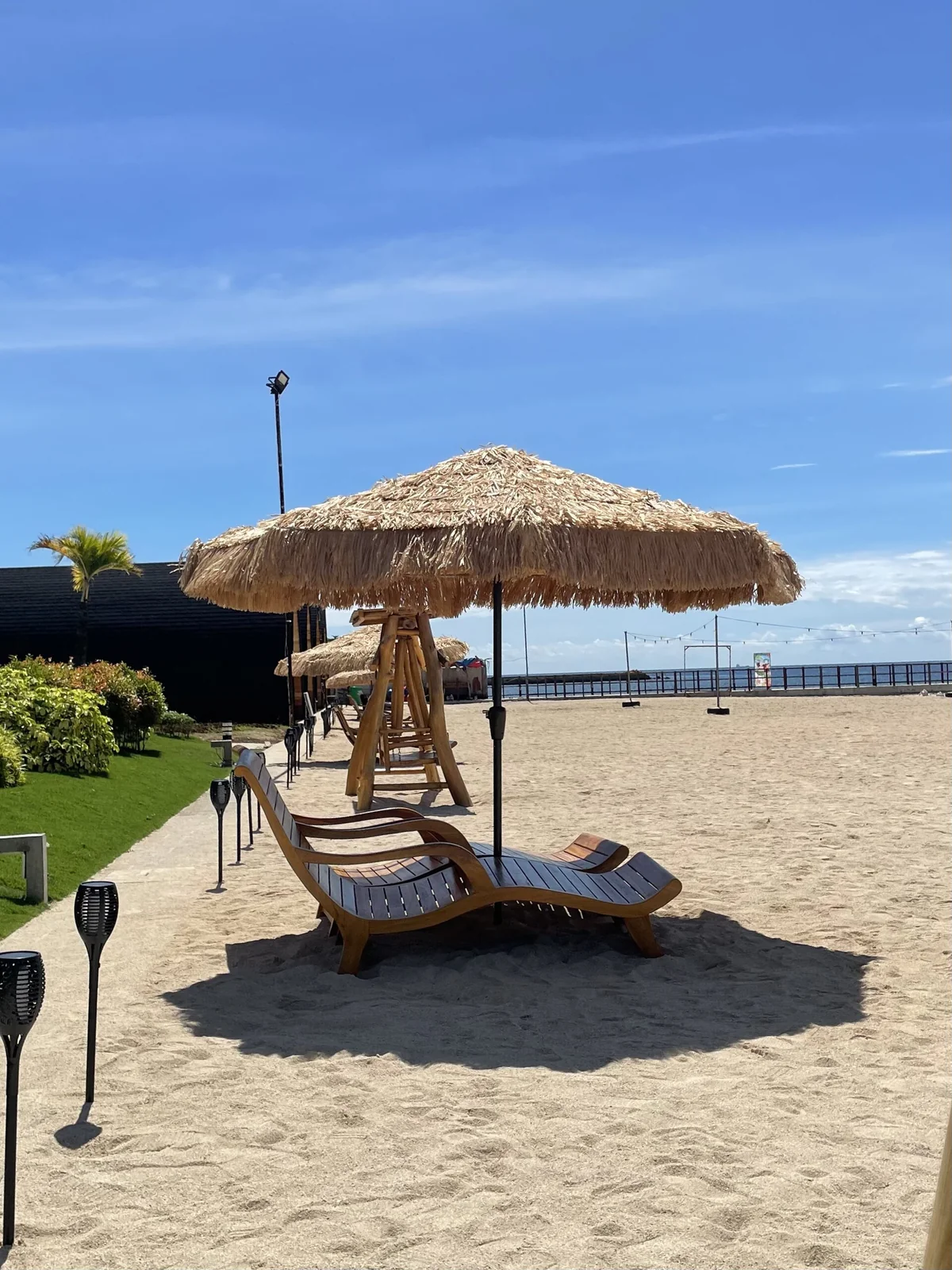
A wide-brimmed hat protects the face, ears and neck far better than a cap, and sunglasses that block UV help shield the delicate skin around the eyes. Tightly woven or UPF-rated clothing works without needing to be reapplied. Keep in mind that shade is not total protection: sand, water and even concrete reflect UV back towards your skin, so sunscreen is still needed under an umbrella. While recovering, it is also wise to skip sun-beds, saunas and long hot workouts, since heat can prolong redness.
Finally, think of sun protection as part of a long-term plan rather than a short aftercare rule. A steady routine of gentle cleansing, moisturizer and daily SPF helps you keep what each treatment achieves and often means you need fewer corrective sessions over time. If you are planning a peel, laser or microneedling series, ask your provider when to pause sun exposure, which products suit your skin and how to time treatments around holidays or outdoor events. With a little planning, your skin can stay calm, even and protected long after the treatment room.